The Ultimate Guide to Discovering Laino Borgo Calabria
Tucked away in the rugged, mountainous heart of southern Italy, Laino Borgo is a destination that defies the typical coastal stereotypes of the region. If you are looking for an authentic, off-the-beaten-path experience, a trip to Laino Borgo Calabria offers an unforgettable blend of adrenaline-pumping nature, profound historical roots, and mouth-watering culinary traditions. Situated on the border between Calabria and Basilicata, this charming village serves as the ultimate gateway to the Pollino National Park and the spectacular Lao River.
Unlike the bustling beach towns of the Tyrrhenian coast, Laino Borgo moves at a different pace. It is a place where ancient stone houses cling to the hillsides, where the roar of river rapids echoes through deep limestone gorges, and where centuries-old traditions are still celebrated with fierce local pride. Whether you are an avid hiker, a white-water rafting enthusiast, or a traveler seeking the quiet, authentic soul of old-world Italy, this comprehensive guide will help you uncover every secret this remarkable Calabrian village has to offer.
Why Visit Laino Borgo — History, Atmosphere, and Local Character
The history of Laino Borgo is as deep and winding as the river that cuts through its territory. The area’s origins date back to the ancient Greek and Roman periods, with many historians identifying it as the site of the ancient city of Lavinium. Over the centuries, the strategic position of the settlement made it a crucial crossroads for Lombards, Byzantines, and Normans. This rich tapestry of conquests and cultures has left an indelible mark on the local architecture, dialect, and customs, making it a living museum for history enthusiasts.
One of the most defining characteristics of the area is the historical split between Laino Borgo (the village in the valley) and Laino Castello (the fortified town on the hill). Following a series of earthquakes in the 1980s, the old hillside town was largely abandoned, leaving behind a hauntingly beautiful ghost town that watches over the modern-day Borgo. This juxtaposition of the vibrant, living village in the valley and the silent, romantic ruins above gives the area a unique, almost cinematic atmosphere.
Visiting Laino Borgo means immersing yourself in the genuine character of the Calabrian hinterland. The atmosphere here is defined by a rugged, welcoming spirit. The locals are deeply connected to their land and the changing of the seasons. You will not find massive tourist resorts or crowded souvenir shops; instead, you will find family-run bakeries, small artisan workshops, and a community that treats visitors as honored guests. It is this exact raw, unpolished charm that makes a journey here so deeply rewarding.
What to See in Laino Borgo — Historic Attractions and Hidden Gems
Despite its small size, Laino Borgo is home to several fascinating historical and cultural landmarks. The crown jewel of the village's religious heritage is undoubtedly the Santuario della Madonna delle Cappelle (Sanctuary of the Madonna of the Chapels). Located just outside the main residential area, this remarkable 16th-century complex is famous for its fifteen small chapels, each beautifully frescoed to represent the mysteries of the Rosary. The sanctuary is not only a place of deep spiritual significance but also a site that offers stunning panoramic views of the surrounding valleys.
A stroll through the historic center of Laino Borgo reveals a maze of narrow, winding alleys, ancient stone portals, and charming piazzas. The Church of Santo Spirito, the main parish church, is a must-visit. Inside, you can admire beautifully crafted wooden altars, religious artifacts, and a serene atmosphere that has provided solace to the local community for generations. Walking these streets feels like stepping back in time, with every corner offering a new photographic opportunity.
No trip to the area is complete without exploring the ruins of Laino Castello. Just a short distance from Laino Borgo, this abandoned medieval village is a spectacular ghost town perched on a rocky spur. Wandering through the crumbling remains of its ancient houses, defensive walls, and old churches is a deeply evocative experience. It provides a stark reminder of the power of nature, while simultaneously offering some of the most breathtaking vantage points over the Lao River valley.
Finally, modern engineering enthusiasts will be awestruck by the Viaduct over the Lao River. Standing as one of the highest vehicular bridges in Europe, this towering structure spans the deep gorge carved by the river. Viewing the viaduct from the valley floor below puts the sheer scale of the landscape into perspective, highlighting the dramatic topography that defines this part of Calabria.
Beaches and Nature Around Laino Borgo — Parks, Landscapes, and the Lao River
While Laino Borgo is an inland destination, the nature surrounding it is nothing short of spectacular. The undisputed star of the landscape is the Lao River. Carving its way through massive limestone cliffs, the river forms the Gole del Lao (Lao Gorges), a canyon of profound natural beauty. This river has transformed Laino Borgo into the white-water rafting capital of southern Italy. Navigating the rapids, surrounded by towering rock walls and lush vegetation, is an exhilarating experience suitable for both beginners and seasoned adventurers.
Beyond the river, Laino Borgo sits entirely within the boundaries of the Pollino National Park, Italy’s largest national park and a UNESCO Global Geopark. The park is a paradise for hikers, mountain bikers, and nature lovers. Trails ranging from easy walks to challenging alpine treks lead you through dense beech forests, wide-open plateaus, and up to the rocky peaks where the iconic Pino Loricato (Bosnian Pine) grows. This rare, ancient tree, with its bark resembling Roman armor, is the symbol of the park and a magnificent sight against the rugged mountain backdrop.
Although Laino Borgo is celebrated for its mountains and rivers, the beautiful Calabrian coastline is never too far away. If you wish to combine your mountain adventure with a day at the sea, the stunning beaches of the Riviera dei Cedri on the Tyrrhenian coast—such as Praia a Mare, San Nicola Arcella, and Scalea—are only about a 40 to 45-minute drive away. This proximity allows you to spend your morning rafting down the Lao River and your afternoon soaking up the sun on a pebble beach overlooking the crystal-clear sea. To make the most of this diverse landscape, finding a comfortable place to stay in Laino Borgo is essential to serve as your adventure base camp.
Food and Traditions of Laino Borgo — Authentic Calabrian Cuisine
The culinary tradition of Laino Borgo is a perfect reflection of its geography: robust, earthy, and immensely satisfying. The local gastronomy is based on the concept of cucina povera (peasant cooking), which relies on simple, high-quality, locally sourced ingredients to create dishes bursting with flavor. Pork plays a central role in the local diet, resulting in exceptional cured meats such as spicy soppressata, savory capocollo, and traditional sausages, all of which are staples on any local antipasto platter.
One of the most celebrated local products is the Fagiolo Poverello Bianco, an indigenous white bean that has been cultivated in the Pollino area for centuries. Recognized for its thin skin and creamy texture, it is often cooked slowly in traditional terracotta pots over an open fire. Pasta is almost exclusively handmade; look out for rascatieddi or fusilli, typically served with rich, slow-cooked meat ragù or simply tossed with fresh tomatoes, local olive oil, and a generous dusting of sharp pecorino cheese.
To truly experience the food of Laino Borgo, skip the fancy restaurants and seek out local agriturismi (farmhouse restaurants) and traditional trattorie. Here, menus are often dictated by what is fresh and in season. You will likely be served homemade wine, robust and unpretentious, alongside platters of local cheeses like caciocavallo. Dining in Laino Borgo is not just about eating; it is a communal experience that embodies the warmth and hospitality of the Calabrian people.
Where to Sleep in Laino Borgo — Best Areas and Accommodations
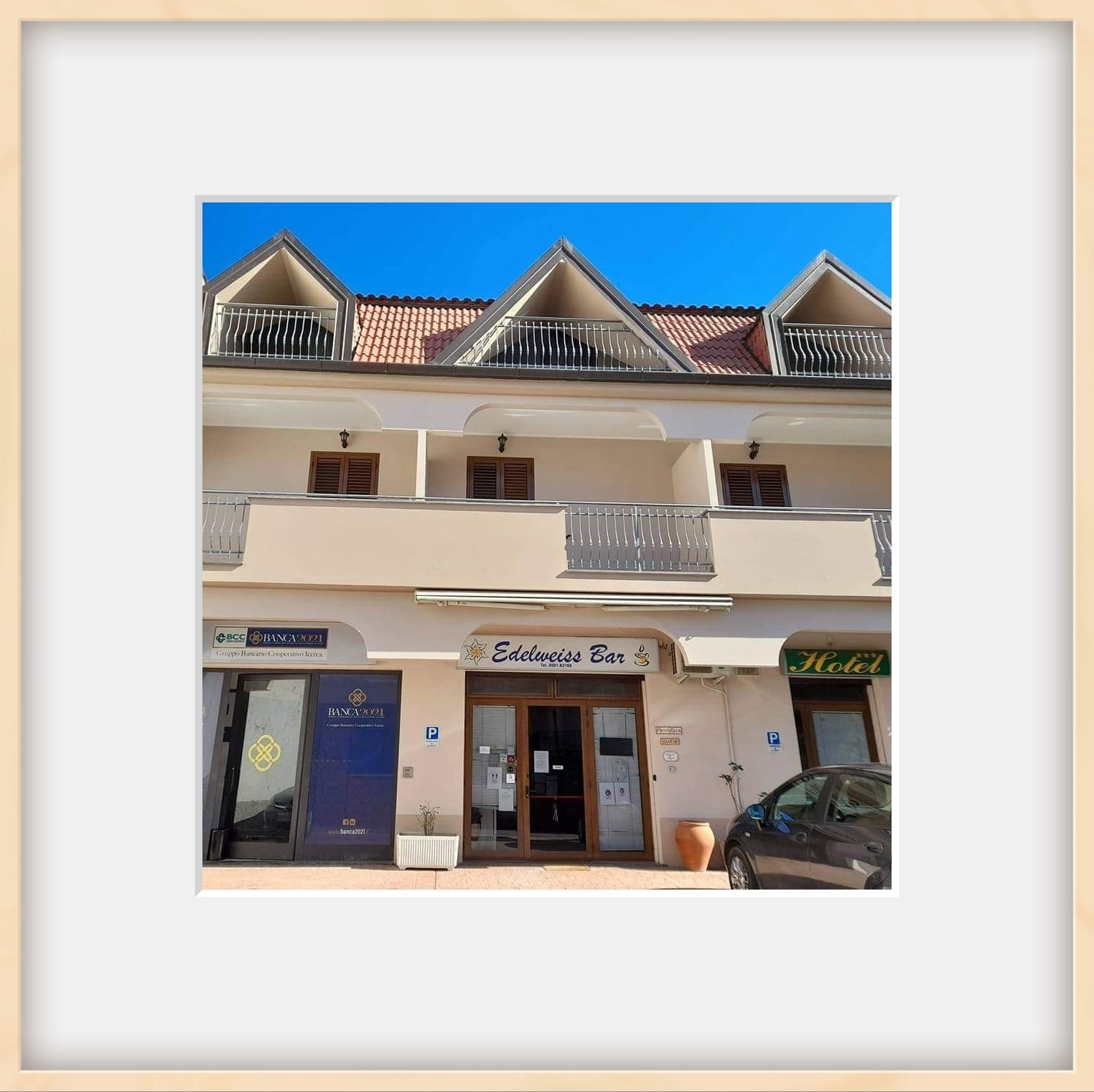
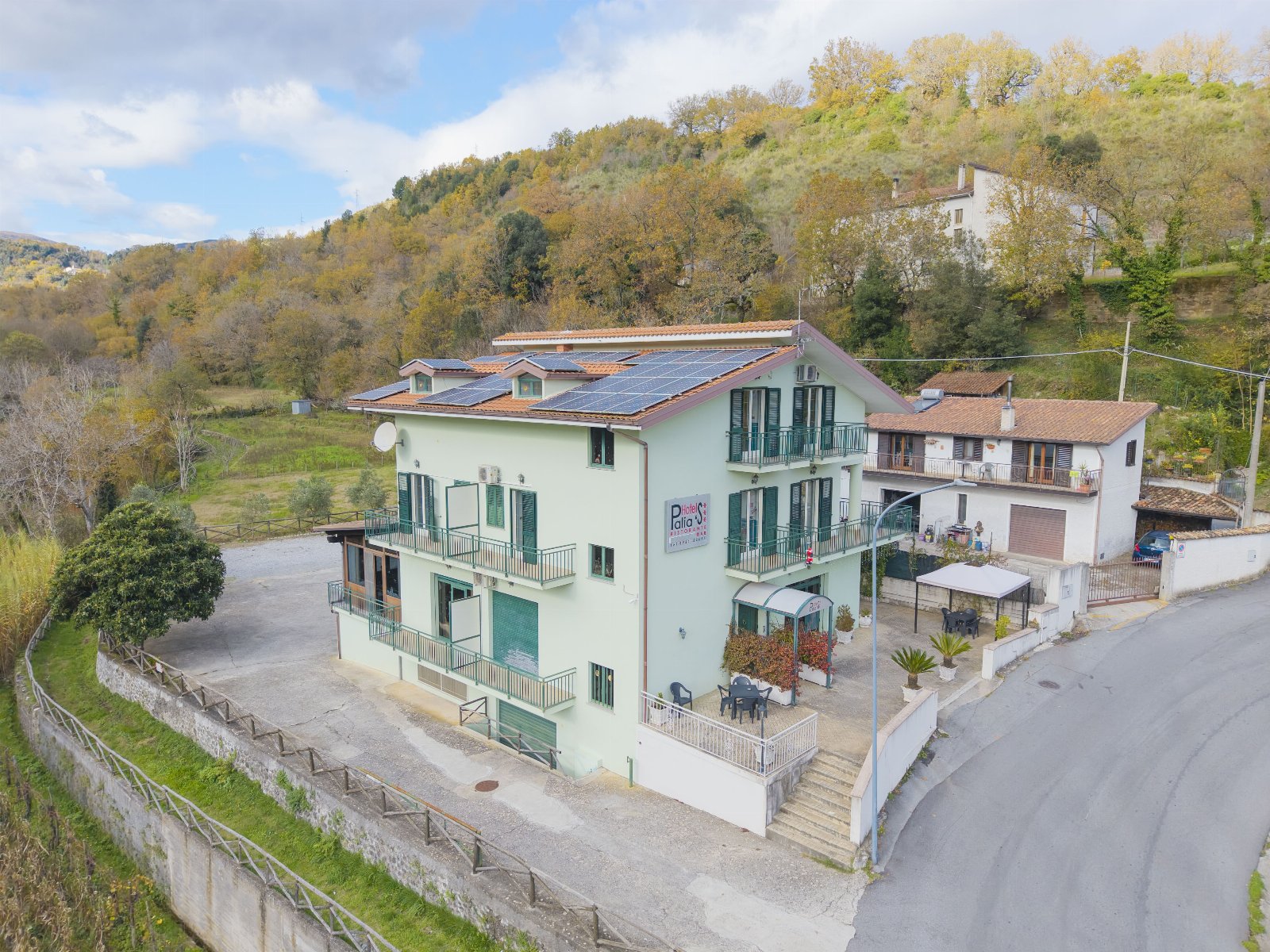
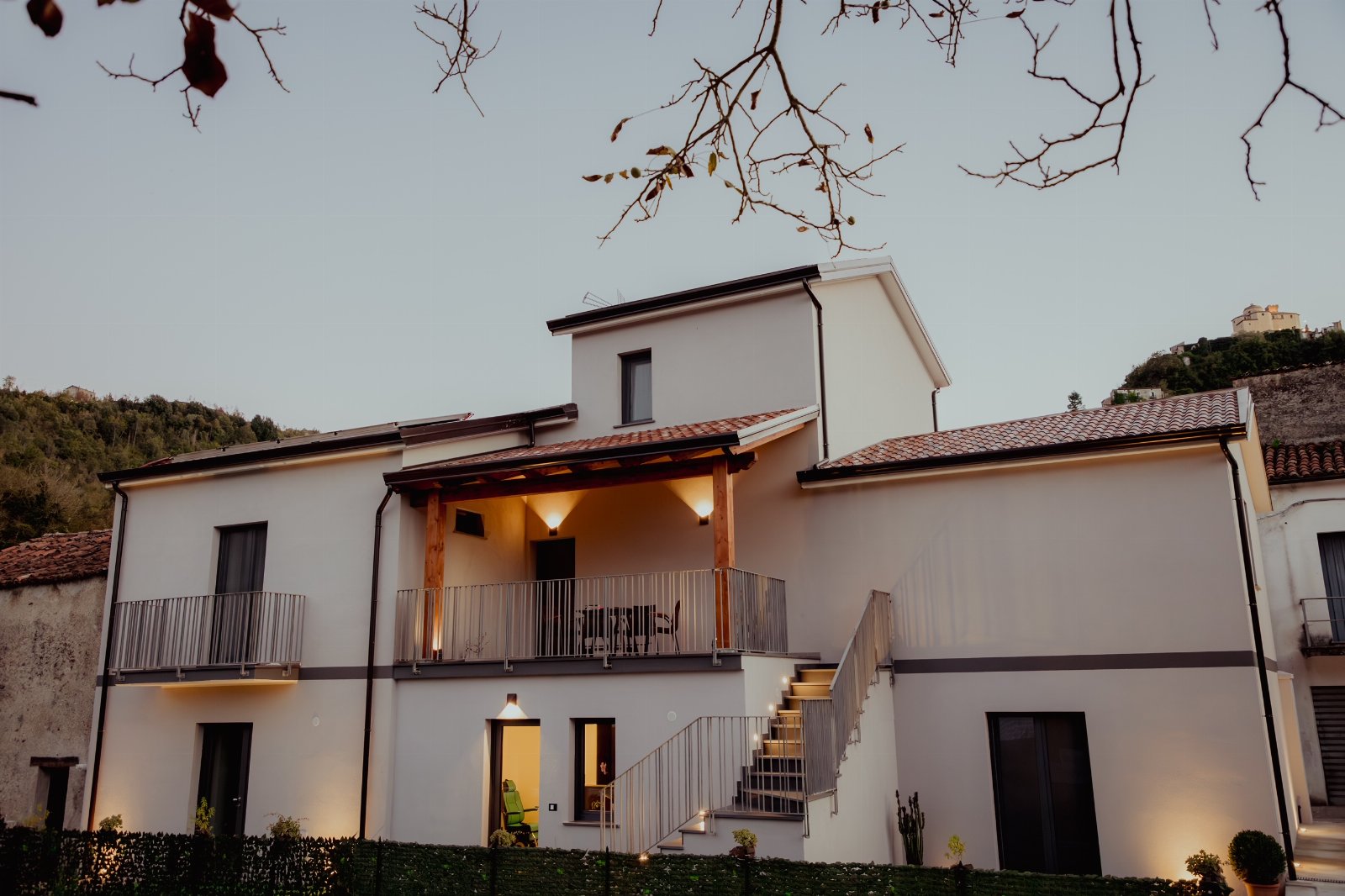
Finding the right accommodation in Laino Borgo is key to enjoying the slow pace and natural wonders of the area. The lodging options here are charming and deeply integrated into the local environment. You can choose to stay right in the historic center in a cozy bed and breakfast, which allows you to wake up to the sound of the village coming to life and easily walk to local cafes. Alternatively, the surrounding countryside is dotted with rustic agriturismi and country houses, perfect for those who want to wake up surrounded by nature, with immediate access to hiking trails and rafting centers.
Because Laino Borgo is a highly sought-after destination for outdoor sports, especially during the spring and summer months, accommodations can fill up quickly. It is highly recommended to secure your lodging well before your trip, ensuring you have a relaxing sanctuary to return to after a long day of exploring the Pollino National Park or navigating the rapids of the Lao River.
In Laino Borgo there are 2 selected accommodations available. Discover the accommodations in Laino Borgo to find the perfect home base for your Calabrian mountain adventure.
How to Get There and Get Around — Travel Tips and Distances
Reaching Laino Borgo is surprisingly straightforward, primarily due to its proximity to major road networks. The most convenient way to travel is by car. The village is easily accessible via the A2 Autostrada del Mediterraneo (the Salerno-Reggio Calabria highway). Simply take the "Laino Borgo" exit, and within minutes you will find yourself in the heart of the village. Having a car is highly recommended, as it gives you the freedom to explore the vast expanses of the Pollino National Park and take day trips down to the coastal towns.
If you prefer to travel by public transport, the journey requires a bit more planning. The nearest major railway stations are located on the coast, in towns like Scalea or Maratea. From these stations, you can catch regional buses that travel inland toward the Pollino area. However, bus schedules can be infrequent, especially on weekends and public holidays, so checking timetables in advance is crucial.
For those flying into southern Italy, the closest major airports are Lamezia Terme (about a two-hour drive south) and Naples International Airport (about a two-and-a-half-hour drive north). Renting a car at either airport is the most efficient way to begin your journey to Laino Borgo. Once in the village, the historic center is easily explored on foot, but driving is essential for reaching the trailheads, sanctuary, and river access points.
When to Go — Climate, Seasons, and Local Events
The climate in Laino Borgo is distinctly different from the sweltering coastal areas of Calabria. Due to its elevation and mountainous surroundings, the village experiences cooler temperatures. Summers are warm and pleasant, offering a fantastic escape from the intense heat of the beaches, making it the perfect season for white-water rafting and canyoning. Winters can be cold, with occasional snowfall, transforming the Pollino National Park into a quiet, frosty wonderland ideal for snowshoeing.
Spring and autumn are arguably the best times to visit for nature lovers. In spring, the melting snow from the mountains swells the Lao River, creating optimal conditions for rafting, while the valleys burst into colorful blooms. Autumn, on the other hand, offers spectacular foliage, crisp air for hiking, and the harvest season, which brings an abundance of wild mushrooms, chestnuts, and new wine to the local tables. If you plan to visit during these peak outdoor seasons, make sure to book your Laino Borgo accommodation well in advance.
Culturally, the most significant time to visit is during the Easter week. Laino Borgo is famous throughout southern Italy for La Giudaica, a powerful and historic theatrical representation of the Passion of Christ held on Good Friday. Dating back to the 17th century, this event involves hundreds of locals in period costumes acting out scenes across the village. It is a deeply moving, authentic expression of local faith and tradition, offering visitors a profound glimpse into the true soul of Laino Borgo.