Discover the Hidden Gem: A Complete Guide to Grotteria, Calabria
Why Visit Grotteria, Calabria — A Journey Through Time and Tranquility
Perched majestically on a ridge overlooking the vast Ionian Sea and the verdant valley of the Allaro River, Grotteria is one of the most evocative medieval villages in the province of Reggio Calabria. Unlike the bustling coastal resorts that define much of the region's summer tourism, Grotteria offers a meditative retreat where time seems to stand still. Its historical center is a labyrinth of narrow cobblestone alleys, ancient stone arches, and houses built directly into the rock face, reflecting a defensive architecture designed to withstand centuries of sieges and seismic activity.
The atmosphere here is quintessentially Calabrian: authentic, unhurried, and deeply rooted in tradition. As you walk through its quiet squares, you will encounter the warm hospitality of the locals, who are always ready to share a story about the village’s past. Grotteria is not a place for those seeking neon lights or crowded beach clubs; it is a destination for the curious traveler who wants to experience the "real" Italy. Whether you are wandering through the ruins of its once-imposing castle or enjoying a glass of local wine while watching the sunset paint the Ionian coastline in shades of violet, Grotteria captures the heart with its raw, rugged beauty.
The character of the town is defined by its strategic position between the mountains and the sea. The village has served as a sanctuary for various civilizations throughout history, from the Greeks to the Normans. Today, it stands as a testament to resilience, preserving its cultural heritage despite the modernization of the surrounding valleys. For those looking to explore the Grotteria region, this village serves as an ideal base for a journey that balances historical exploration with the natural splendor of the Calabrian hinterland.
What to See in Grotteria — Uncovering Historical Treasures
The crown jewel of the town is undoubtedly the ruins of the Norman Castle. Perched at the highest point of the village, the castle remains offer a panoramic view that stretches from the Aspromonte massif to the sparkling waters of the Ionian Sea. Though much of the structure was damaged by the devastating 1783 earthquake, the remaining walls and the footprint of the fortress allow visitors to imagine the grandeur of the feudal lords who once ruled these lands. Accessing the site requires a short, uphill walk through the oldest part of the village, but the reward is a breathtaking vantage point perfect for photographers and history enthusiasts.
Another essential stop is the Church of the Immaculate Conception (Chiesa dell’Immacolata), a stunning example of local religious architecture. Inside, visitors can admire intricate wooden carvings and religious artifacts that have been preserved for centuries. The church acts as a focal point for the community, especially during the traditional religious processions that still take place according to ancient customs. The craftsmanship found within these walls reflects the artistic dedication of the local artisans who contributed to the village's cultural identity over many generations.
For those interested in local history, the remains of the ancient city walls and the various "palazzi" scattered throughout the historic center provide a fascinating look at how the local nobility lived. Many of these buildings feature ornate stone portals and iron balconies that showcase the influence of different architectural eras. Exploring the village is best done on foot, allowing you to stumble upon hidden courtyards and small shrines tucked away in the corners of the alleys. If you are planning an extended stay, consider looking for accommodation in Grotteria to fully immerse yourself in this timeless environment.
The Beaches and Nature Around Grotteria — Where Mountains Meet the Sea
While the village itself is situated on a hill, the territory of Grotteria extends down to the Ionian coast, offering easy access to some of the most pristine beaches in southern Italy. Just a short drive away, you will find the Marina di Grotteria, where the landscape shifts from rocky cliffs to long stretches of golden sand and crystal-clear turquoise water. These beaches are rarely overcrowded, providing a serene environment for swimming, snorkeling, or simply lounging under the Mediterranean sun.
Beyond the coastline, the natural landscape surrounding Grotteria is a paradise for outdoor enthusiasts. The Allaro River valley offers numerous trails for trekking and mountain biking, leading you through olive groves, citrus orchards, and wild Mediterranean scrub. The proximity to the Aspromonte National Park means that hikers can experience a diverse ecosystem, ranging from lush forests to dramatic high-altitude peaks. The air here is crisp, scented with wild herbs, and the silence is only broken by the sound of local wildlife and the rustle of the wind through the trees.
Nature lovers will appreciate the contrast between the rugged mountainous terrain of the interior and the gentle slopes that lead toward the sea. This unique geography allows for a variety of activities, from challenging mountain hikes in the morning to a relaxing dip in the Ionian Sea by the afternoon. Whether you prefer the solitude of the woods or the rhythm of the waves, the area surrounding Grotteria provides a perfect backdrop for an active and rejuvenating vacation.
Cuisine and Traditions of Grotteria — A Taste of Calabria
The culinary tradition of Grotteria is a reflection of the land’s fertility and the ingenuity of its people. The local cuisine is based on "cucina povera," using simple, fresh ingredients to create bold and unforgettable flavors. You must try the "pasta fatta in casa," specifically the traditional handmade macaroni often served with a robust goat or pork ragù. Another local specialty is the wide variety of cured meats and local cheeses, such as the spicy 'nduja (if you enjoy heat) and the creamy pecorino cheese produced in the nearby hills.
Olive oil is the lifeblood of the local economy and the heart of every dish. The olive groves that surround the village produce a high-quality extra virgin oil that is both fragrant and flavorful. When dining in the village, look for family-run trattorias where you can taste authentic, seasonal menus. Many of these establishments focus on "zero-kilometer" ingredients, ensuring that everything on your plate is fresh and sourced from the immediate area. Don't miss the local wine, which pairs perfectly with the hearty meat dishes and savory vegetable side dishes common in this region.
Traditions in Grotteria are still very much alive, particularly during local festivals and patron saint days. These events are the best time to experience the local culture, as the streets fill with music, traditional dances, and food stalls offering homemade sweets like "torrone" or almond-based pastries. Engaging with the locals during these festivities is a fantastic way to understand the community spirit that defines this charming Calabrian village. For those traveling throughout the region, finding the right holiday home or guesthouse is essential to enjoying these culinary delights at your own pace.
Where to Stay in Grotteria
Choosing where to stay in Grotteria depends on your preference for mountain tranquility or coastal proximity. The village itself offers authentic experiences in restored historical houses, allowing you to live like a local within the ancient walls. Alternatively, the lower areas closer to the coast provide more modern amenities and easier access to the beach. Regardless of where you choose, the hospitality in this part of Calabria is legendary, with hosts often going above and beyond to ensure your stay is memorable.
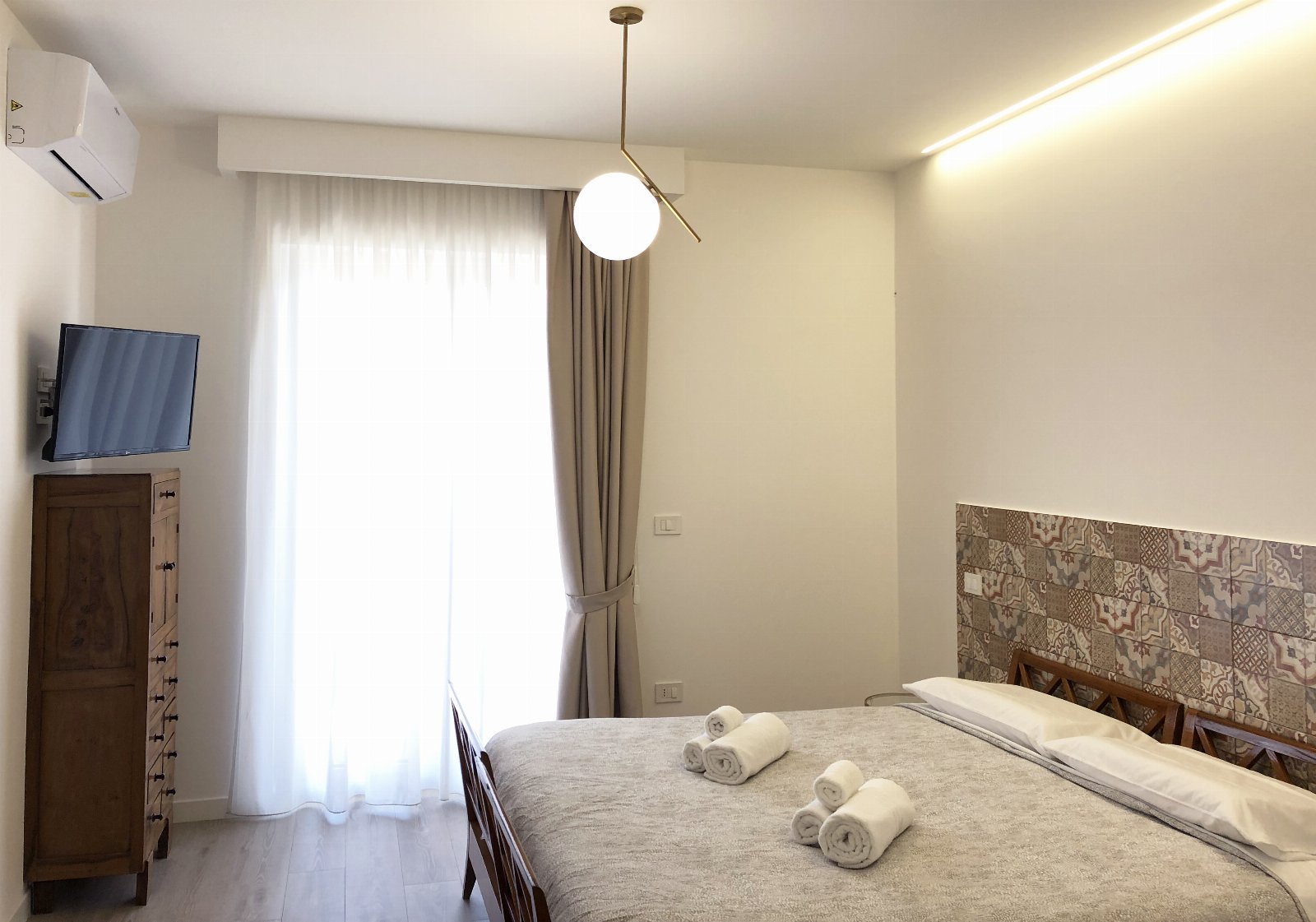
A Grotteria sono disponibili 1 alloggi selezionati. Scopri gli alloggi a Grotteria. Staying in a local property not only provides comfort but also supports the preservation of the village's unique architectural heritage. Whether you are looking for a cozy apartment for two or a larger space for a family, the options available provide a authentic connection to the local lifestyle.
How to Get There and Getting Around
Reaching Grotteria is an adventure in itself. The most convenient way to explore the area is by car, as it allows you to navigate the winding roads that connect the hilltop villages to the coastal towns. If you are flying in, the Lamezia Terme International Airport is the primary gateway to Calabria, located about an hour and a half away by car. From the airport, you can easily rent a vehicle to enjoy the scenic drive down the Ionian coast.
For those preferring public transport, the train network connects the major coastal towns, with the station in the nearby town of Gioiosa Ionica acting as a primary hub for the Grotteria area. From there, local bus services operate, though they can be infrequent, making a rental car a much more flexible option for travelers who want to explore beyond the main centers. Once you arrive in the village, the best way to get around is on foot, as the historic center is mostly pedestrian-only due to its narrow, winding layout.
When to Go — Climate and Seasons
The best time to visit Grotteria is during the shoulder seasons of late spring (May to June) and early autumn (September to October). During these months, the weather is pleasantly warm, perfect for both hiking in the mountains and enjoying the beaches without the intense heat of July and August. The landscape is particularly vibrant in spring, with wildflowers blooming across the valley, while autumn offers the harvest season, providing a unique opportunity to witness the olive picking and wine production processes.
If you prefer the height of summer, be prepared for hot, sunny days that are best spent near the coast or in the shaded alleys of the village. Winter in Grotteria is mild but can be quite cool, especially in the evenings, offering a quiet, introspective atmosphere for those who don't mind the chill. Regardless of when you visit, Grotteria maintains a timeless charm that makes every season a unique experience for the discerning traveler.