Discovering Cosenza Calabria: The Ultimate Travel Guide to the Athens of the South
Nestled in a picturesque valley where the Crati and Busento rivers meet, Cosenza is one of the most fascinating and historically rich cities in southern Italy. Often overlooked by international tourists rushing toward the coastal beaches, this inland gem offers a profound journey through millennia of history, vibrant art, and breathtaking natural landscapes. Whether you are a history enthusiast, a lover of authentic Italian cuisine, or an explorer seeking the untamed beauty of the Calabrian mountains, a visit to Cosenza provides an unforgettable experience.
Known historically as the "Athens of Calabria" due to its long-standing tradition of philosophy, literature, and fine arts, Cosenza boasts a dual soul. On one side, you will find the ancient, winding alleys of the historic center climbing up the Pancrazio Hill, whispering tales of medieval knights and ancient tribes. On the other side, the modern city pulses with contemporary life, featuring elegant shopping streets, open-air museums, and a lively university atmosphere. This guide will walk you through everything you need to know to plan the perfect trip to Cosenza, Calabria.
Why Visit Cosenza — History, Atmosphere, and Character
The character of Cosenza is deeply intertwined with its legendary past. The city was originally the capital of the Brettii, an ancient and fierce Italic tribe that successfully resisted Greek colonization before eventually falling to the Roman Empire. The most captivating legend of Cosenza, however, belongs to the fall of the Roman Empire. In 410 AD, Alaric, the King of the Visigoths, died mysteriously in Cosenza after sacking Rome. According to legend, his men temporarily diverted the waters of the Busento river to bury him along with his legendary treasure—plundered from Rome—before releasing the waters back over his grave. To this day, the treasure of Alaric has never been found, adding an aura of mystery to the city's atmosphere.
Beyond its legends, Cosenza's atmosphere is characterized by a striking contrast between antiquity and modernity. The historic center, known as Cosenza Vecchia, is a labyrinth of steep, narrow streets, ancient noble palaces with fading pastel facades, and hidden piazzas that seem frozen in time. Walking through these alleys evokes a sense of romantic melancholy and deep historical appreciation. Here, artisans still work in small shops, and the scent of traditional Calabrian cooking drifts from the windows of historic homes.
Conversely, the modern lower city is vibrant, dynamic, and forward-looking. Thanks to the nearby University of Calabria—the largest university campus in the region—Cosenza enjoys a youthful energy that fuels its cafes, bars, and cultural events. This unique blend of a proud, scholarly past and a lively, modern present makes Cosenza a destination with a distinct and captivating personality, entirely different from the typical seaside resort towns of the region.
What to See in Cosenza — Top Attractions and Hidden Gems
Cosenza is packed with historical monuments and cultural attractions that require at least a couple of days to fully appreciate. Dominating the city skyline from the top of Pancrazio Hill is the Castello Normanno-Svevo (Norman-Swabian Castle). Originally built by the Saracens and later expanded by the Normans and the Holy Roman Emperor Frederick II, the castle has served as a fortress, a royal residence, and a prison. Today, after extensive restorations, visitors can explore its imposing towers, ancient courtyards, and enjoy a breathtaking panoramic view of the city and the surrounding Sila mountains.
Descending into the historic center, you will find the magnificent Duomo di Cosenza (Cosenza Cathedral), recognized as a UNESCO "Messenger of Culture" site. Consecrated in 1222 in the presence of Emperor Frederick II, the cathedral is a stunning example of Cistercian-Gothic architecture. Inside, the atmosphere is serene and austere. The Cathedral's most precious treasure is the Stauroteca, an exquisite Byzantine reliquary cross made of gold and enamel, which was gifted to the city by Frederick II himself.
For a deep dive into the region's ancient history, the Museo dei Brettii e degli Enotri is an absolute must-visit. Housed in the beautifully restored monumental complex of Sant'Agostino, this archaeological museum showcases a vast collection of artifacts from the ancient Italic tribes that originally inhabited the area, as well as remnants from the Roman era. The cloister of the museum is a peaceful oasis, perfect for a moment of quiet reflection during your walking tour.
In stark contrast to the ancient ruins is the MAB (Museo all'Aperto Bilotti), an extraordinary open-air museum located in the modern part of the city along the pedestrian thoroughfare of Corso Mazzini. As you stroll down this elegant shopping street, you will encounter a remarkable collection of contemporary sculptures donated by the Italian-American collector Carlo Bilotti. The collection features original works by world-renowned artists such as Salvador Dalí, Giorgio de Chirico, Amedeo Modigliani, and Mimmo Rotella, making a simple shopping walk a world-class artistic experience.
Beaches and Nature Around Cosenza — Sea, Parks, and Landscapes
While Cosenza is an inland city, its geographical position makes it a perfect strategic hub for exploring the diverse natural beauty of Calabria. Just a short drive to the east lies the majestic Sila National Park. This vast mountainous plateau is renowned for its dense pine forests, crystal-clear lakes (such as Lake Arvo and Lake Cecita), and incredibly pure air. In Sila, nature lovers can engage in hiking, mountain biking, horseback riding, and even spotting the indigenous Apennine wolves in protected reserves. The landscape here is often compared to the Swiss Alps, offering a cool, green retreat during the hot Calabrian summers.
If you prefer the sea, the Tyrrhenian coast is remarkably accessible from Cosenza. A scenic 30-minute drive through the coastal mountain pass brings you to the vibrant seaside towns of Paola, San Lucido, and Fiumefreddo Bruzio. This stretch of coastline features expansive beaches, dramatic cliffs, and stunning sunsets over the sea. Further north along the coast, you can explore the famous Riviera dei Cedri, home to the spectacular Arcomagno beach in San Nicola Arcella and the charming island of Dino in Praia a Mare.
Closer to the city center, nature enthusiasts should not miss the botanical gardens and the natural riverbanks of the Crati and Busento. The city has made significant efforts to revitalize these river paths, creating pleasant walking and cycling trails that allow you to enjoy the local flora and fauna without leaving the urban environment. This perfect balance of mountain and sea access makes Cosenza an ideal base when exploring other beautiful destinations in Calabria.
Cuisine and Traditions of Cosenza — Typical Dishes and Local Products
The culinary tradition of Cosenza is deeply rooted in peasant history, relying on simple, high-quality, and robust ingredients sourced from the surrounding mountains and valleys. One of the most iconic dishes of the city is Lagane e Cicciari. Lagane are thick, wide strips of fresh, eggless pasta that are boiled and then mixed with a rich, savory chickpea stew, often flavored with garlic, local olive oil, and a touch of spicy Calabrian chili pepper. It is a comforting, hearty dish that perfectly represents the soul of Cosentian cooking.
Street food and festive traditions also play a massive role in the local gastronomy. If you visit during the winter holidays, the air is filled with the scent of Cuddrurieddri. These are delicious, deep-fried rings of dough made from flour and boiled potatoes, enjoyed piping hot as a street snack. For dessert, the undisputed king of Cosenza's sweets is the Pitta 'mpigliata, a complex and beautifully crafted pastry filled with walnuts, raisins, honey, cinnamon, and local sweet wine, traditionally baked for Christmas but now found year-round.
No meal in Cosenza is complete without sampling the exceptional local products. The nearby Sila mountains provide the famous Caciocavallo Silano DOP, a semi-hard cheese with a distinct teardrop shape and a rich, buttery flavor. The area is also known for its excellent cured meats, including Capocollo and Soppressata. To wash it all down, look for wines made from the native Magliocco grape, a robust red wine variety cultivated in the hills surrounding the city. You can find these authentic flavors in the many traditional trattorie hidden within the alleys of Cosenza Vecchia.
Where to Sleep in Cosenza — Best Areas and Accommodations
Choosing where to stay in Cosenza largely depends on the type of experience you are seeking. If you want to immerse yourself in history and romance, the historic center (Cosenza Vecchia) is the place to be. Here, you can find charming bed and breakfasts and boutique hotels housed inside restored noble palaces. Waking up to the view of the tiled roofs and the imposing Norman-Swabian Castle is a magical experience, though be prepared for steep walks and limited parking.
On the other hand, if you prefer convenience, modern amenities, and easy access to shopping and dining, the newer part of the city around Corso Mazzini is ideal. This area offers a wider range of modern hotels and stylish apartments. Staying here means you are just steps away from the open-air museum, elegant cafes, and excellent transport links, making it a highly practical choice for families and business travelers alike.
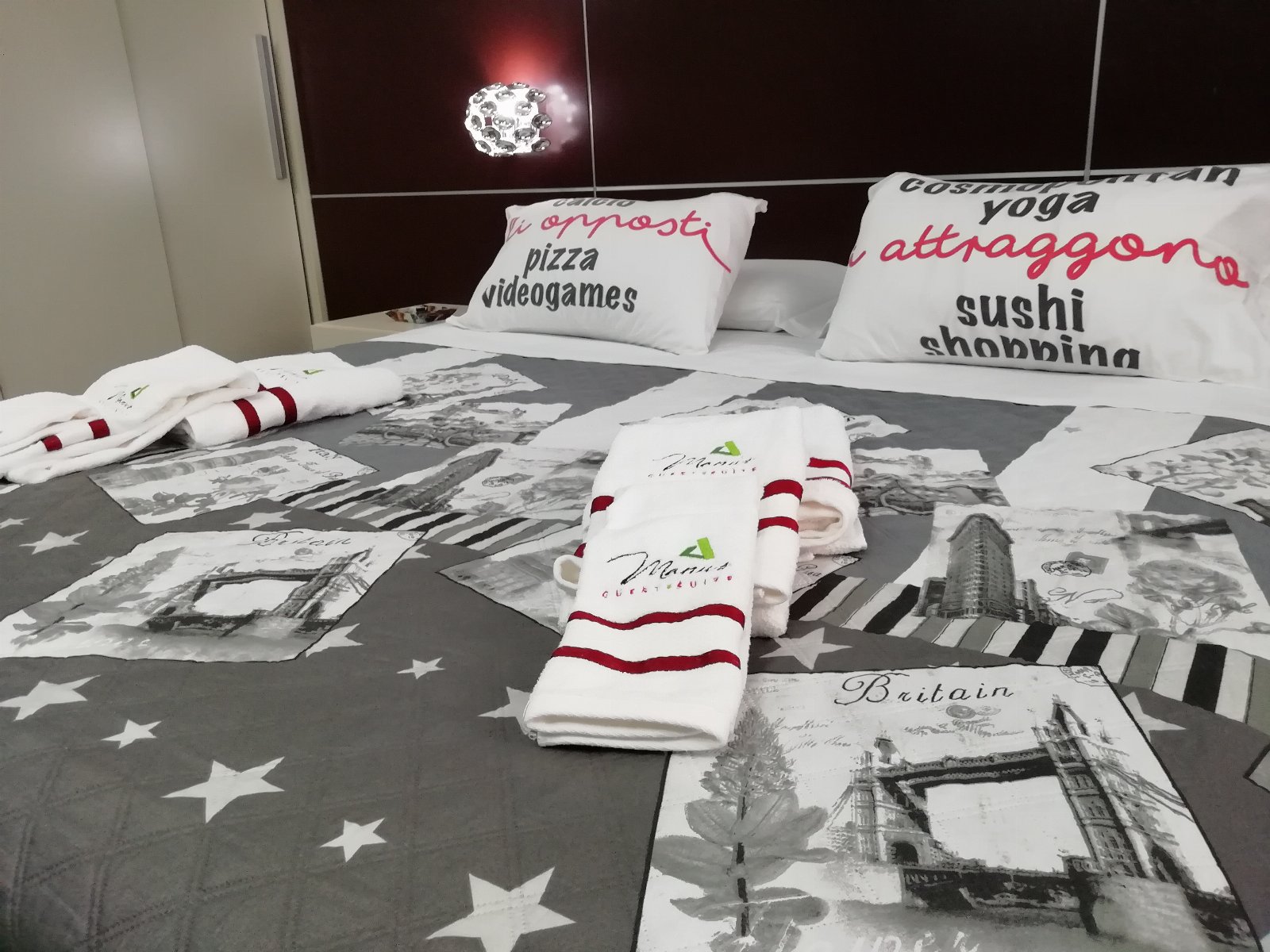
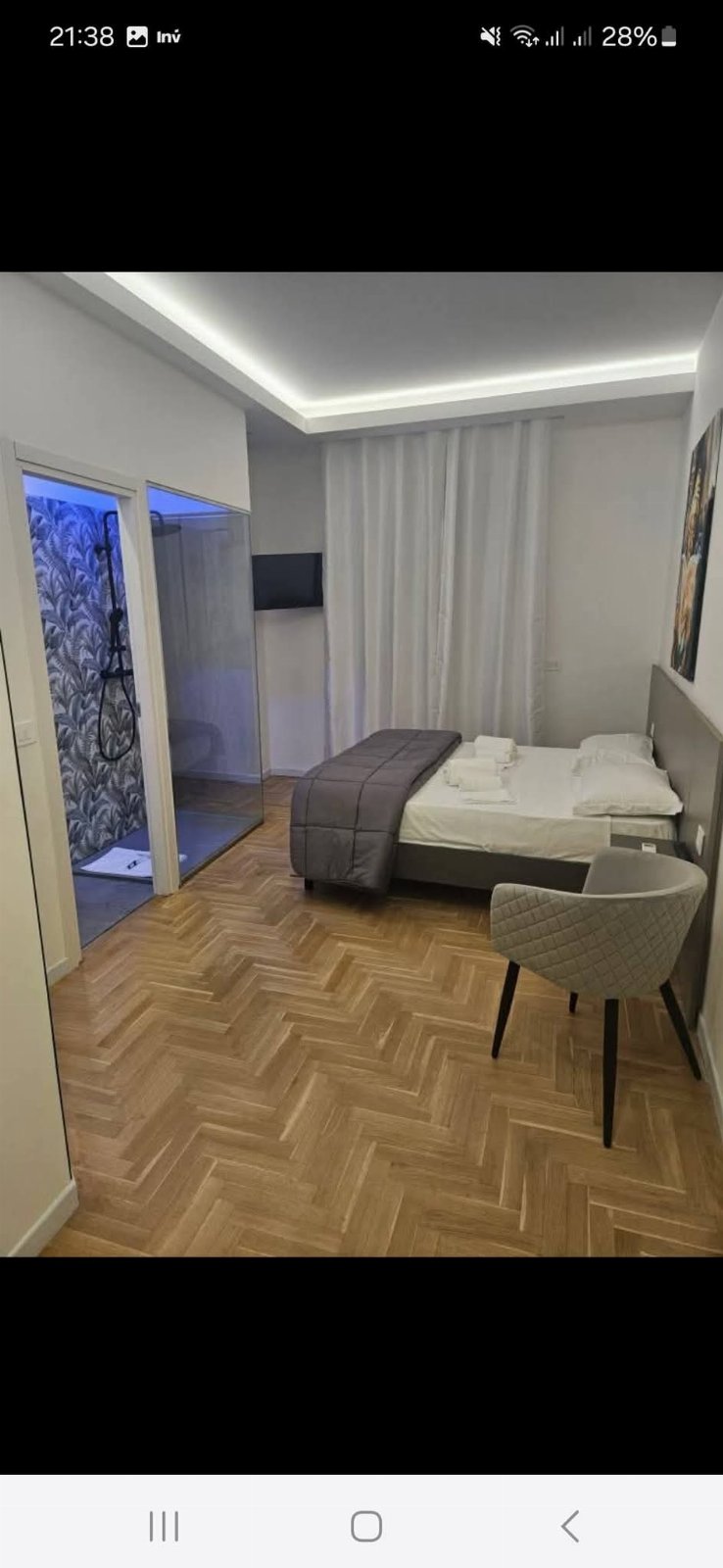
In Cosenza, 2 selected accommodations are available. Discover accommodations in Cosenza to find the perfect base for your southern Italian adventure, ensuring comfort and authentic hospitality during your stay.
How to Get There and Get Around — Car, Train, Bus, and Distances
Getting to Cosenza is relatively straightforward, thanks to its strategic position along Calabria's main transport arteries. If you are flying, the closest major airport is Lamezia Terme International Airport (SUF), located about 70 kilometers south of the city. From the airport, you can rent a car, take a direct bus, or use the train. Driving to Cosenza is very convenient as the city is situated directly along the A2 "Autostrada del Mediterraneo" highway, which connects Naples to Reggio Calabria.
For those traveling by train, Cosenza is well-connected, though it requires a slight detour from the main coastal railway line. High-speed trains (Frecciarossa and Italo) run from Rome and Naples to the coastal town of Paola. From Paola station, a frequent regional train takes you through a scenic mountain tunnel, arriving at Cosenza's main railway station (Vaglio Lise) in just over 20 minutes. This efficient rail connection is incredibly useful when planning your Calabrian itinerary without a rental car.
Once you arrive in Cosenza, getting around is quite manageable. The modern city center and the Corso Mazzini area are completely flat and highly pedestrian-friendly. To reach the upper historic center and the castle, you can either enjoy a vigorous walk up the historic staircases or utilize the local AMACO city buses. Taxis are also readily available at the train station and major squares.
When to Go — Climate, Seasons, and Events
Cosenza experiences a Mediterranean climate with a continental twist, due to its inland valley location. Summers (July and August) can be quite hot, with temperatures frequently exceeding 30°C (86°F). However, the evenings are generally cooler than on the coast. If you visit in the summer, it is the perfect time to combine morning city tours with afternoon escapes to the Sila mountains or the nearby Tyrrhenian beaches.
The absolute best times to visit Cosenza are during the spring (April to June) and autumn (September to October). During these shoulder seasons, the weather is mild and pleasant, perfect for walking up to the castle or exploring the archaeological sites without the intense heat. Autumn also brings beautiful foliage to the surrounding mountains and the harvest of local mushrooms and chestnuts, which feature heavily in the seasonal cuisine.
Winter in Cosenza is cool and occasionally rainy, but it offers its own unique charm, especially if you plan to visit the nearby ski resorts in the Sila National Park. If you travel in March, you will witness the city's most important traditional event: the Fiera di San Giuseppe (St. Joseph's Fair). Dating back to the 13th century, this massive street market takes over the city for several days, bringing together artisans, food vendors, and visitors from all over southern Italy in a vibrant celebration of local culture.