Discovering Bova Calabria: The Ancient Grecanic Heart of the Aspromonte
Why Visit Bova: A Journey into Calabria's Hellenic Soul
Nestled high in the rugged mountains of the Aspromonte National Park, Bova is not just a picturesque village; it is the cultural and historical capital of the Area Grecanica. When you visit Bova Calabria, you are stepping into a living time capsule where the ancient echoes of Magna Graecia still resonate in the streets. This charming town is proudly listed among the "Borghi più belli d'Italia" (Most Beautiful Villages in Italy), offering visitors an intoxicating blend of dramatic mountain scenery, centuries-old traditions, and a deeply rooted Hellenic heritage.
The atmosphere in Bova is distinctly different from the bustling coastal resorts of the Ionian Sea. As you wander through its narrow, winding cobblestone alleys, you will notice street signs written in both Italian and Griko, a rare dialect derived from ancient Greek. The character of the city is defined by its resilience and its passionate dedication to preserving a linguistic and cultural identity that dates back thousands of years. It is a place where time seems to slow down, inviting travelers to immerse themselves in authentic Southern Italian hospitality.
Choosing to explore this mountainous enclave is a must for anyone planning an unforgettable holiday in Calabria. Beyond its historical significance, Bova offers a profound sense of peace. The crisp mountain air, the panoramic vistas stretching all the way to Mount Etna in Sicily, and the warm smiles of the locals make it a destination that captures the heart. Whether you are a history enthusiast, a nature lover, or simply seeking an off-the-beaten-path adventure, Bova promises an experience that is as enriching as it is beautiful.
What to See in Bova: Timeless Attractions and Historical Wonders
Bova is a treasure trove of historical landmarks and cultural institutions that tell the story of its vibrant past. The town's layout is a classic example of medieval urban planning, with houses clinging tightly to the hillside, culminating at the highest peak where the ancient fortress once stood. Exploring Bova requires comfortable walking shoes, as every corner reveals another piece of its fascinating history.
The Norman Castle (Castello Normanno): Dominating the skyline from the rocky summit of the village, the ruins of the Norman Castle offer the most breathtaking vantage point in the entire region. Although only fragments of the walls and towers remain today, the climb to the top is incredibly rewarding. From this elevated position, you can enjoy a sweeping 360-degree view that encompasses the deep valleys of the Aspromonte, the sparkling Ionian Sea, and, on clear days, the majestic silhouette of Sicily's Mount Etna.
Cathedral of Santa Maria dell'Isodia: Located in the heart of the historic center, this beautiful cathedral is a testament to the town's religious devotion and architectural evolution. Originally built in the early Middle Ages, it has undergone numerous renovations, blending various architectural styles. Inside, visitors can admire exquisite marble altars, ancient wooden statues, and the revered icon of the Madonna dell'Isodia, the protector of the village. The church square also serves as a central gathering place for locals.
Gerhard Rohlfs Museum of the Greco-Calabrian Language: This unique museum is dedicated to the preservation of the Griko language and is named after the renowned German linguist Gerhard Rohlfs, who famously traveled through Calabria on foot to study its dialects. The museum features fascinating exhibits, multimedia installations, and historical documents that trace the linguistic journey of the area from ancient Greek times to the present day. It is an essential stop for understanding the true cultural fabric of Bova.
The Path of Peasant Civilization (Sentiero della Civiltà Contadina): As you stroll through the alleys of Bova, you will naturally encounter this open-air museum. The town has ingeniously placed historical agricultural tools, ancient olive presses, and traditional millstones along the streets. Accompanied by descriptive plaques, these artifacts provide a tangible connection to the agrarian lifestyle that sustained the local population for centuries, turning a simple walk into an educational journey.
Beaches and Nature Around Bova: From Mountain Peaks to the Ionian Sea
One of the greatest advantages of visiting Bova Calabria is its incredible geographical diversity. The village serves as a perfect gateway to the pristine wilderness of the Aspromonte National Park. Nature lovers will find a paradise of hiking trails that wind through dense forests of oak, chestnut, and pine trees. The nearby Amendolea River, with its wide, stony riverbed, offers spectacular trekking routes that lead to hidden waterfalls and ancient ruined mills, showcasing the raw, untamed beauty of the Calabrian mountains.
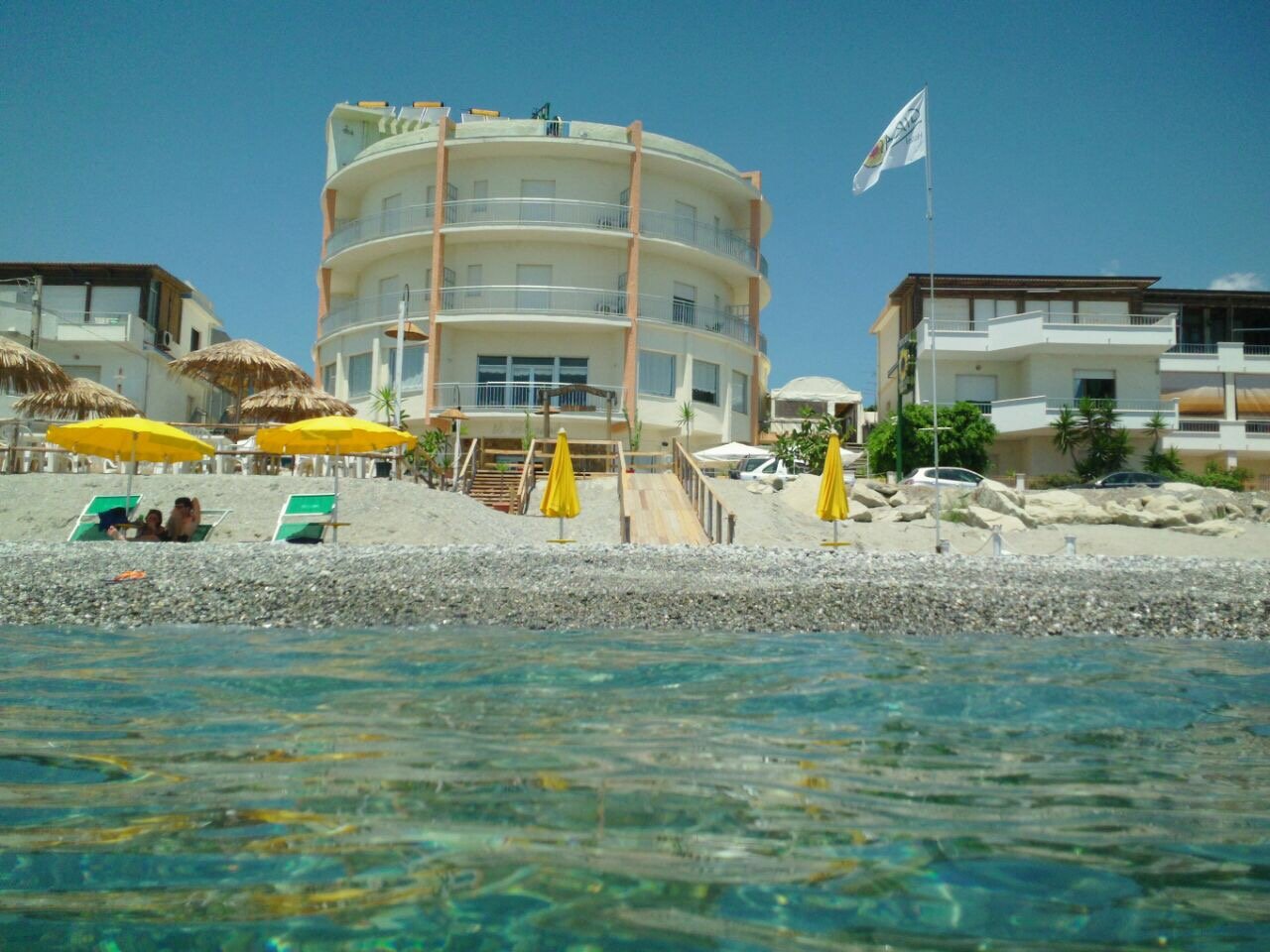
Just a short and scenic drive down the mountain road brings you to Bova Marina, the coastal counterpart to the historic hilltop village. Here, the landscape dramatically shifts from rugged peaks to the soothing shores of the Ionian Sea. The beaches around Bova Marina are characterized by their crystal-clear, azure waters and a mix of fine sand and smooth pebbles. It is an ideal spot for swimming, sunbathing, and enjoying a relaxing beach day after exploring the mountainous terrain.
The coastline near Bova is also home to fascinating geological formations and historical coastal defenses. The Rocca del Capo, a prominent rocky headland, features the Sanctuary of the Madonna del Mare and the ruins of an ancient watchtower built to defend against pirate incursions. The seamless transition from alpine environments to Mediterranean beaches makes the area around Bova a uniquely versatile destination for outdoor enthusiasts.
Cuisine and Traditions of Bova: A Taste of the Area Grecanica
The culinary traditions of Bova are deeply intertwined with its pastoral history and Greek roots, offering flavors that are robust, authentic, and utterly delicious. The food here is a reflection of the land, utilizing simple, high-quality ingredients sourced directly from the surrounding mountains and valleys.
When dining in the historic center or the surrounding countryside, be sure to look out for these local specialties:
- Lestopitta: A traditional unleavened flatbread made from flour, water, and salt, fried in olive oil. It is typically served piping hot and stuffed with local cured meats or regional cheeses.
- Maccarruni: A type of handmade pasta rolled on a wire or knitting needle, traditionally served with a rich, slow-cooked goat ragù and generously sprinkled with aged pecorino.
- Musulupu: A unique cheese molded into intricate shapes inspired by Greek Orthodox iconography, often eaten fresh during the Easter season.
- Capicollo Azzeccato: A deeply flavorful cured meat unique to the local Grecanic tradition, perfect for pairing with a glass of robust Calabrian red wine.
Beyond the food, Bova's traditions are kept alive through vibrant festivals and music. The town is a focal point for the Paleariza Festival, a renowned ethno-musical event that celebrates Grecanic culture through traditional Tarantella music, dancing, and art. The rhythmic beating of the tambourine and the melodies of the traditional lira calabrese echo through the squares, inviting both locals and tourists to join in the celebration of a heritage that refuses to fade.
Where to Sleep in Bova: Authentic Stays and Warm Hospitality
Finding the right place to stay in Bova is key to fully experiencing its enchanting atmosphere. The historic center has embraced the concept of the "Albergo Diffuso" (scattered hotel), a sustainable hospitality model where rooms and apartments are spread across various beautifully restored ancient stone houses within the village. This allows guests to live like locals, waking up to the sound of church bells and stepping directly out into the picturesque cobblestone streets.
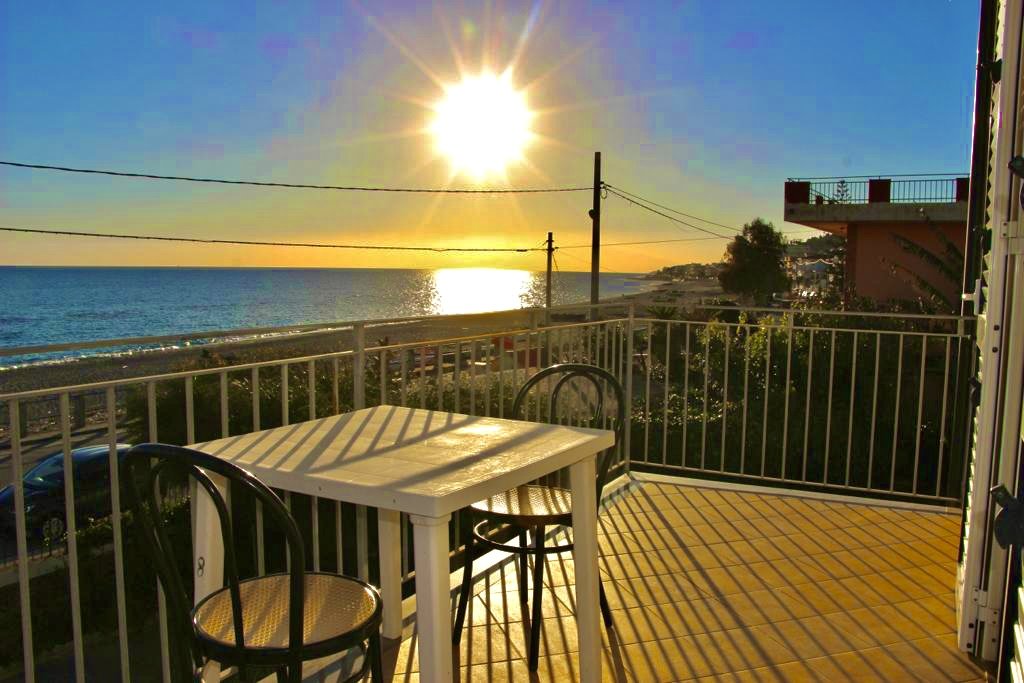
For those who prefer to be closer to the sea while still having easy access to the mountains, the nearby coastal town of Bova Marina offers excellent options, including charming bed and breakfasts, modern apartments, and seaside hotels. Whether you choose the high-altitude tranquility of Bova Superiore or the breezy shores of the marina, you will be greeted with exceptional Calabrian hospitality. When searching for the best places to stay in the region, booking in advance is highly recommended, especially during the busy summer months.
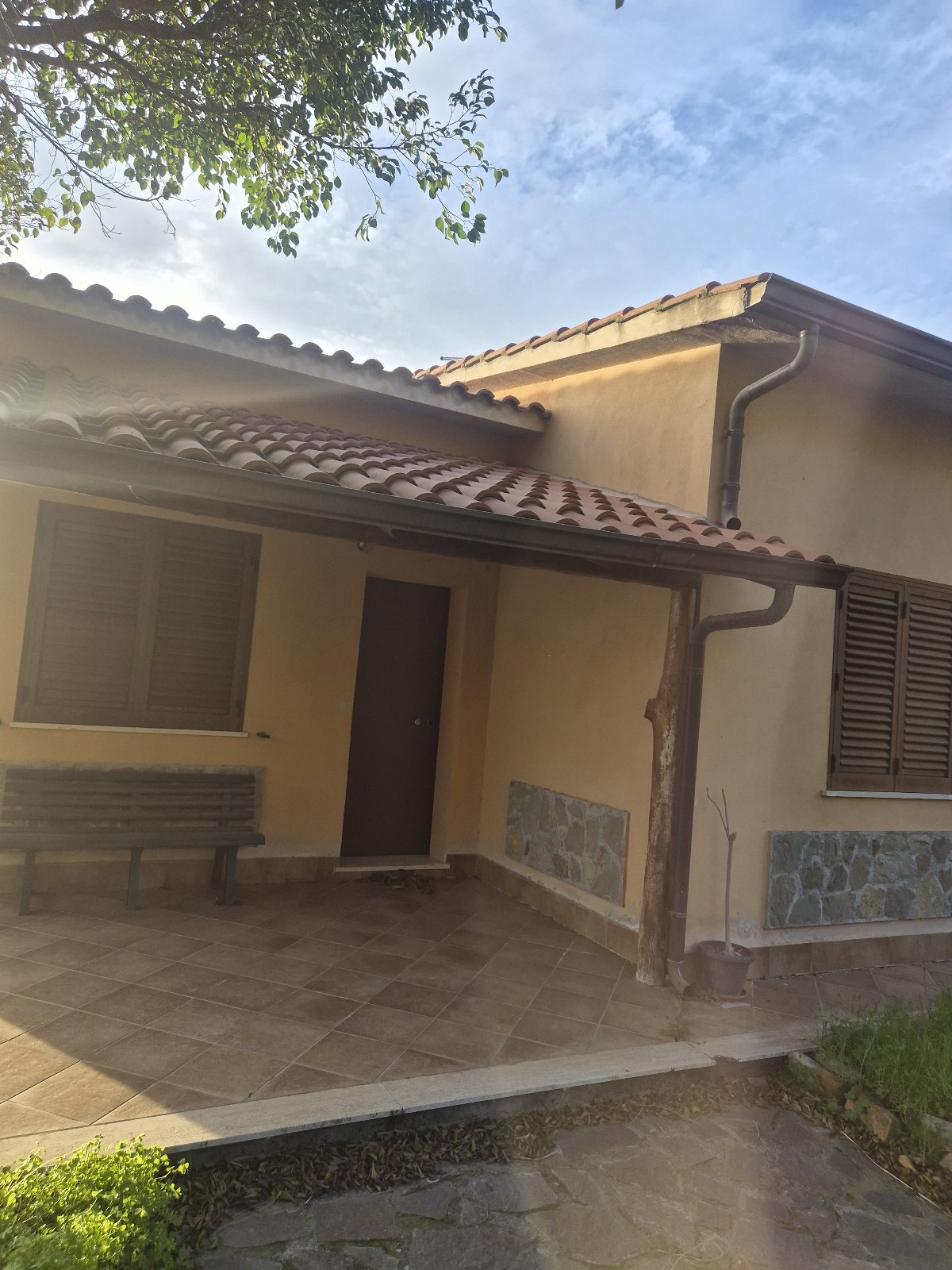
In Bova, there are 11 selected accommodations available. Discover the accommodations in Bova. From cozy romantic rooms with panoramic mountain views to larger apartments suitable for families, the local lodging options cater to every type of traveler, ensuring a comfortable and memorable base for your Aspromonte adventure.
How to Get There and Get Around: Navigating the Calabrian Landscape
Reaching Bova Calabria is an adventure in itself, offering stunning views along the way. The most convenient way to travel is by car. If you are driving from Reggio Calabria or the Lamezia Terme airport, you will take the SS106 Ionica highway southbound along the coast until you reach Bova Marina. From there, a scenic, winding provincial road leads you approximately 14 kilometers up the mountain to the historic center of Bova. Having a car is highly recommended as it provides the freedom to explore the surrounding national park and hidden coastal spots at your own pace.
If you prefer public transportation, the train is a viable option for reaching the coast. The regional railway line connects Reggio Calabria to the Bova Marina train station. From the station, local buses operated by regional transit companies run up the mountain to Bova. However, bus schedules can be infrequent, particularly on weekends and holidays, so it is crucial to check the timetables in advance and plan your connections carefully.
Once you arrive in the historic center of Bova, the best way to get around is on foot. The village is compact, and its steep, narrow streets are largely pedestrianized, making it a joy to explore by walking. For excursions into the Aspromonte National Park, guided jeep tours or organized hiking groups are available and offer a safe and informative way to navigate the rugged terrain without needing your own four-wheel-drive vehicle.
When to Go: Seasons, Climate, and Local Events
The ideal time to visit Bova largely depends on what kind of experience you are seeking. Spring (April to June) and early Autumn (September to October) are arguably the best seasons for active travelers. During these months, the climate is mild and pleasant, perfect for hiking in the Aspromonte or wandering the steep streets of the village without the intense heat of mid-summer. The spring blooming of wild orchids and the rich autumn colors of the forest add a magical touch to the landscape.
Summer, particularly July and August, is the peak tourist season. While the coastal areas below can get quite hot, Bova's elevation of over 800 meters provides a refreshing, cooler microclimate. This is also the liveliest time of the year, characterized by a calendar full of cultural events, outdoor concerts, and food festivals. The famous Paleariza Festival usually takes