Bianco, Calabria: Discover the Hidden Gem of the Ionian Coast
Nestled along the sun-drenched shores of the Ionian Sea, Bianco is a destination that feels like a well-kept secret. Often overshadowed by its more famous neighbors, this Calabrian town offers an authentic glimpse into the soul of Southern Italy. With its roots stretching back to ancient times, Bianco is a place where the rhythm of life slows down, inviting travelers to swap the frantic pace of modern tourism for the gentle lapping of waves and the scent of jasmine and citrus groves.
Visiting Bianco means embracing the true essence of Calabria: a mix of rugged history, warm hospitality, and landscapes that transition seamlessly from sandy beaches to rolling, vine-covered hills. Whether you are a history buff, a beach lover, or a culinary explorer, this town serves as the perfect base to experience the wild beauty of the Reggio Calabria province.
Why Visit Bianco — History, Atmosphere, and Character
The history of Bianco is a fascinating tapestry woven from the threads of Magna Graecia and medieval resilience. The town's original settlement, known today as Bianco Vecchio, was perched on the hills above the current coastline, offering protection from the piratical raids that plagued the Ionian shores for centuries. After the devastating earthquake of 1905, the town was rebuilt closer to the sea, creating the vibrant, modern center you see today while leaving the haunting ruins of the old village as a testament to the past.
The atmosphere in Bianco is authentically Calabrian. You won't find neon signs or mass-market tourist traps here. Instead, you will find locals gathering in the piazza for an evening espresso, the sound of church bells echoing against the hills, and a profound sense of pride in the local heritage. It is a place where you are treated not as a tourist, but as a guest. The town’s character is defined by its agricultural roots, specifically the production of world-renowned wines that have been celebrated since the time of the ancient Greeks.
Choosing to spend your vacation in a location like this allows you to disconnect from the digital world and reconnect with yourself. The air is clear, the pace is deliberate, and the horizon is endless. For those looking for a tranquil escape, Bianco provides the perfect backdrop for a restorative holiday, blending cultural depth with the simple pleasures of Mediterranean living.
What to See in Bianco — Historical and Cultural Landmarks
The crown jewel of the area is undoubtedly the ruins of Bianco Vecchio. A short hike from the modern town center leads you to the abandoned site of the old village. Walking through the skeleton of the old stone houses, reclaimed by nature and time, is a surreal experience. It offers a poignant look at the resilience of the local people and provides breathtaking panoramic views of the entire Ionian coastline.
Another must-see is the Palazzo del Cotone. This historic structure reflects the importance of the textile industry in the town's past. While the town is now more famous for its viticulture, the architecture of the older buildings tells the story of an era when Bianco was a commercial hub. Strolling through the streets, keep an eye out for the ornate stone balconies and hidden courtyards that reveal the craftsmanship of generations past.
For those interested in religious art and architecture, the Church of San Nicola di Bari is the heart of the town. Its interior holds beautiful statues and paintings that date back several centuries, serving as a focal point for the community during local festivals. Furthermore, the Archaeological Area of Palazzi di Casignana, located just a few kilometers away, is essential for any history enthusiast. This site features the remains of a luxurious Roman villa, complete with remarkably well-preserved mosaics that offer a glimpse into the opulent lifestyle of Roman elites who once inhabited this coast.
The Beaches and Nature Around Bianco
The coastline of Bianco is a pristine stretch of Mediterranean beauty. Unlike the crowded beaches of the north, the shores here are vast, quiet, and incredibly clean. The water is a striking shade of turquoise, perfect for swimming, snorkeling, or simply lounging under the Calabrian sun. The beach is a mix of soft sand and small pebbles, backed by dunes that are home to native flora, creating a wild and untouched aesthetic.
Beyond the beach, the surrounding hills are a paradise for nature lovers. The landscape is dominated by vineyards that produce the famous Greco di Bianco wine, which is widely considered the oldest DOC wine in Italy. Hiking trails wind through these hills, taking you through olive groves and citrus orchards that bloom with fragrant flowers in the spring. Exploring the natural trails around the town is a fantastic way to enjoy the fresh air and see the local wildlife in their natural habitat.
If you are looking for an active holiday, the nearby Aspromonte National Park offers dramatic mountain scenery and cooling forests, providing a stark and refreshing contrast to the coastal heat. Whether you prefer the rhythmic sound of the sea or the quiet majesty of the mountains, the nature surrounding Bianco offers endless opportunities for exploration. If you need a comfortable place to stay after a long day of hiking or swimming, remember to explore Bianco for local accommodation options.
Cuisine and Traditions of Bianco
Culinary tradition in Bianco is synonymous with excellence. The town is most famous for its Greco di Bianco, a passito wine made from dried grapes. This golden, amber-colored nectar is sweet, complex, and carries the essence of the Ionian sun. Tasting this wine at a local cellar, paired with traditional almond-based pastries, is a quintessential Calabrian experience that you cannot miss.
The local cuisine relies heavily on fresh, seasonal ingredients. You will find dishes rich with "cucina povera" traditions: homemade pasta like fileja served with spicy 'nduja or slow-cooked meat sauces, fresh swordfish caught in the nearby Strait of Messina, and vegetables grown in the fertile inland soil. Do not miss the chance to try the local cheeses and cured meats, which are often served as an antipasto in family-run trattorias.
For a truly local experience, visit the small restaurants in the historic center. These establishments often lack a formal menu, instead serving whatever the chef has prepared that morning based on the local market's offerings. Dining here is an intimate affair, often accompanied by a glass of local wine and the warm, welcoming conversation of the owners, ensuring you get the most authentic taste of the region.
Where to Sleep in Bianco
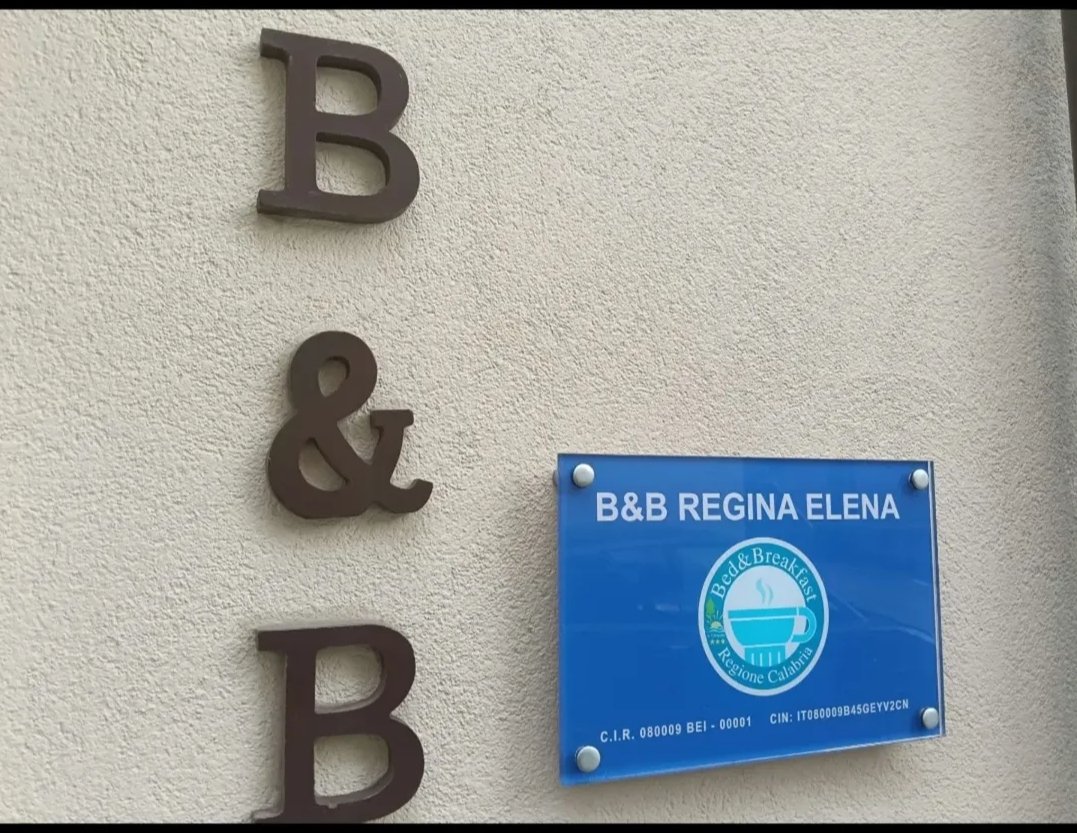
Finding the right accommodation is key to enjoying your stay in this quiet corner of Calabria. Most lodging options in the area are family-run bed and breakfasts or small, charming apartments that offer a more personal experience than large hotels. Staying in the center of the town gives you easy access to the local shops and cafes, while staying closer to the coast allows you to wake up to the sound of the sea.
A Bianco are available 1 alloggi selezionati. Scopri gli alloggi a Bianco. These properties are carefully chosen to ensure that travelers have a comfortable, authentic, and high-quality experience. Whether you are traveling as a couple or with your family, you will find a home away from home that caters to your needs while keeping you close to the beauty of the Ionian coast.
How to Arrive and Move Around
Reaching Bianco is an adventure in itself. The most convenient way to arrive is by flying into Lamezia Terme International Airport (SUF), which is the main gateway to the region. From the airport, you can rent a car, which is highly recommended if you wish to explore the hidden beaches and inland villages at your own pace. The drive along the Ionian coast is stunning, offering constant views of the sea.
Alternatively, the regional train network connects the coastal towns along the Ionian line. While the train is a scenic and relaxing way to travel, it is less flexible than having your own vehicle. Once you are in the town, it is quite small and easily walkable. However, to fully enjoy the surrounding areas like the Roman ruins or the mountain trails, a car is the most practical choice. Buses also operate between the main towns, but schedules can be limited, so plan your trips in advance.
When to Go — Climate, Seasons, and Events
The best time to visit Bianco is during the shoulder seasons of late spring (May and June) or early autumn (September and October). During these months, the weather is warm enough for swimming, but the intense heat of July and August is absent, making it perfect for hiking and sightseeing. The spring is particularly beautiful, with the hillsides covered in wildflowers and the scent of jasmine filling the air.
If you prefer a summer holiday, be prepared for hot, dry weather, which is perfect for beach lovers. Many local festivals and religious processions take place throughout the summer, offering a vibrant look at the town's traditions and community spirit. Winter is much cooler and quieter, but it is a great time to visit if you are interested in the wine harvest or simply want to escape the crowds and enjoy the solitude of the Calabrian winter.