Discover the Hidden Gem of the Ionian Coast: A Complete Guide to Bianco, Calabria
Why Visit Bianco, Calabria — History, Atmosphere, and Local Character
Nestled along the sun-drenched "Costa dei Gelsomini" (Jasmine Coast) in the province of Reggio Calabria, Bianco is a destination that captures the authentic soul of Southern Italy. Far from the chaotic crowds of mainstream tourist hubs, this charming town offers a perfect blend of historical depth, agricultural heritage, and a relaxed Mediterranean pace of life. Visiting Bianco means stepping into a landscape where the scent of jasmine mingles with the salty breeze of the Ionian Sea, creating an atmosphere that feels both timeless and deeply connected to the earth.
The town’s history is a fascinating tapestry woven from the threads of ancient civilizations. Originally part of the greater Locri Epizephirii territory, the area has seen the passage of Greeks, Romans, and various medieval lords, all of whom left subtle marks on the local culture. Today, Bianco is best known for its prestigious viticulture and its resilient spirit, having rebuilt itself after historical earthquakes. For travelers seeking a genuine experience, Bianco represents the "true" Calabria: welcoming, unpretentious, and rich in stories that locals are always eager to share over a glass of local wine.
What to See in Bianco — Historical Landmarks and Cultural Treasures
The architecture of Bianco tells the story of its rebirth. After the devastating earthquake of 1905, the town was largely reconstructed, resulting in a unique urban layout that combines traditional stone elements with early 20th-century design. A walk through the town center reveals a quiet beauty, with narrow alleyways, hidden courtyards, and the warmth of the local community. Visitors should start their exploration at the Parish Church of San Nicola di Bari, a spiritual and historical landmark that serves as the heart of the town’s social life.
For those interested in history, a short trip to the nearby archaeological remains of the ancient city of Locri is essential. While technically located in the neighboring municipality, the proximity of these ruins is a major draw for Bianco visitors. You can walk through the remains of the Greek temples and the theater, imagining the grandeur of the Magna Graecia era. Additionally, the ruins of the old village of Bianco (Bianco Vecchio), abandoned after the 1905 earthquake, offer an evocative and melancholic glimpse into the past. Walking through these ruins, reclaimed by nature, is a powerful experience for photography enthusiasts and history buffs alike.
Another highlight is the local wine museum and the various historical cantinas that dot the surrounding hills. Bianco is world-renowned for its "Greco di Bianco" wine, which is often called the "nectar of the gods." Visiting a local producer to learn about the ancient techniques of sun-drying the grapes is not just a tour, but a lesson in cultural preservation. If you are looking for a comfortable base to explore these sites, consider checking out the best places to stay in Bianco to ensure you are close to all these historical wonders.
The Beaches and Nature Around Bianco — Sea, Parks, and Landscapes
The coastline of Bianco is a pristine stretch of the Ionian Sea, characterized by wide beaches of fine sand and crystalline waters that shift from turquoise to deep cobalt blue. Unlike the more developed tourist resorts in the north of Italy, the beaches here remain largely unspoiled. During the summer months, you can easily find a quiet spot to lay your towel and enjoy the rhythmic sound of the waves. The water quality is consistently high, making it an ideal destination for families, snorkelers, and anyone looking to reconnect with the sea.
Beyond the shore, the landscape of Bianco is dominated by rolling hills covered in vineyards and olive groves. The proximity to the Aspromonte National Park adds another layer of adventure to your trip. Just a few kilometers inland, the terrain rises sharply, offering breathtaking panoramic views of the entire Ionian coastline. Hiking trails wind through the mountains, leading to hidden waterfalls, ancient forests, and small mountain villages where time seems to have stood still. It is the perfect contrast to the beach, allowing visitors to experience both the maritime and the rugged, wild side of the Calabrian terrain.
Cuisine and Traditions of Bianco — Flavors of the Ionian
The culinary identity of Bianco is deeply rooted in the land and the sea. The undisputed king of the local gastronomy is the Greco di Bianco, a DOC-certified dessert wine that has been produced in this area since the time of the Ancient Greeks. Its golden color and honeyed aroma make it the perfect companion for local almond-based sweets or aged cheeses. When dining in Bianco, you will find that the focus is on simplicity and the quality of raw ingredients, such as locally pressed olive oil, freshly caught swordfish from the nearby Strait of Messina, and sun-ripened vegetables.
Traditional dishes to look for in local trattorias include "maccarruni" (handmade pasta) with a rich goat or pork ragù, and various preparations of "stocco" (stockfish), which is a staple in the Calabrian diet. For those looking for an authentic experience, visiting local festivals, or "sagre," is highly recommended. These events celebrate everything from the grape harvest to the local jasmine production, providing a festive atmosphere where you can taste home-cooked specialties while listening to traditional folk music. Exploring these culinary traditions is one of the most rewarding parts of traveling to the heart of Calabria.
Where to Stay in Bianco — Your Home Away From Home
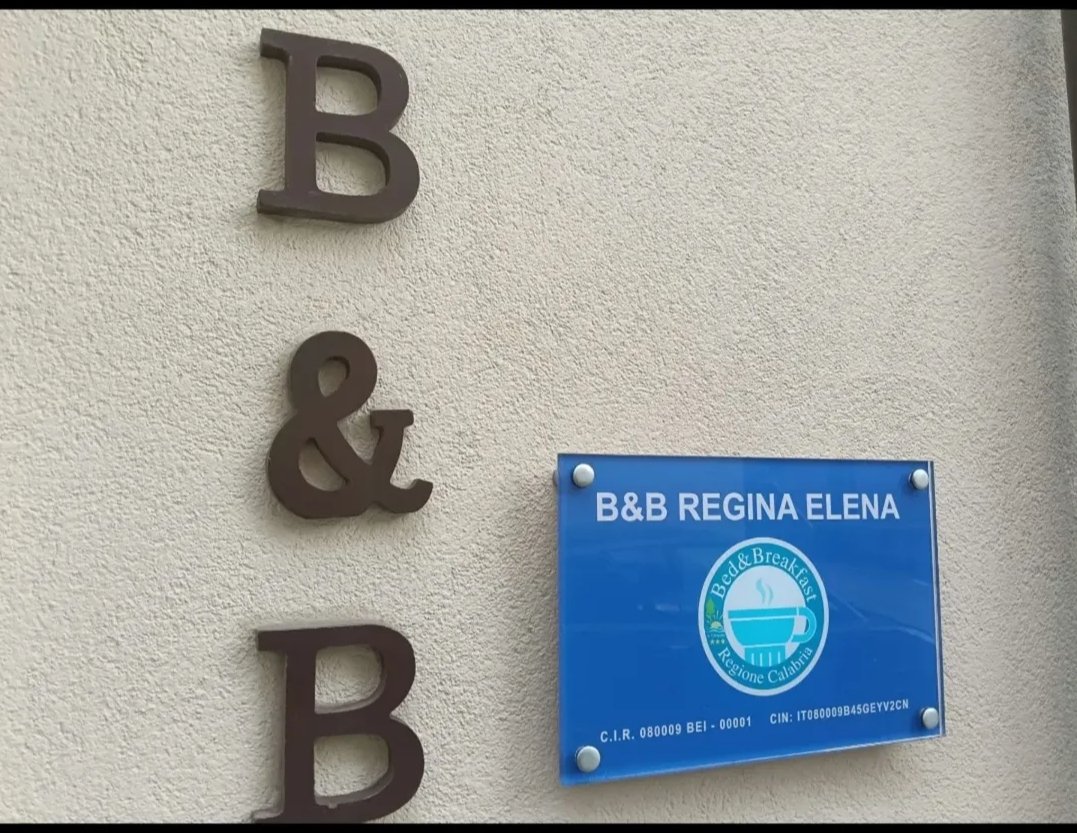
Finding the right accommodation is key to enjoying the slow-paced lifestyle of this region. Bianco offers a selection of charming B&Bs, family-run guesthouses, and apartments that allow you to live like a local. Staying in the town center puts you within walking distance of local shops and cafes, while staying slightly further out towards the hills offers stunning views and a more secluded, peaceful environment. Regardless of your choice, the hospitality in Bianco is legendary, with hosts often going above and beyond to provide recommendations for the best hidden beaches or local wineries.
A Bianco sono disponibili 1 alloggi selezionati. Scopri gli alloggi a Bianco. Whether you are traveling as a couple looking for a romantic getaway or a family needing extra space, the local accommodations are designed to provide comfort and authenticity, serving as the perfect launchpad for your Calabrian adventures.
How to Get There and Getting Around
Reaching Bianco is an adventure in itself, passing through some of the most scenic routes in Southern Italy. The most convenient way to arrive is by flying into Lamezia Terme International Airport (SUF), which is the primary gateway to the region. From the airport, you can rent a car, which is highly recommended if you want the freedom to explore the hidden corners of the Aspromonte mountains and the various coastal towns at your own pace. The drive from Lamezia to Bianco takes approximately two hours, winding through beautiful mountain landscapes and coastal roads.
For those who prefer public transport, the train system connects the main coastal towns along the Ionian line. While the trains are a reliable way to travel between major hubs, local buses are the best way to reach the smaller inland villages. If you are planning a longer stay, consider booking your accommodation in advance to coordinate your arrival and explore the best transport options from your specific location.
When to Go — Climate, Seasons, and Events
The best time to visit Bianco is during the shoulder seasons of late spring (May-June) and early autumn (September-October). During these months, the weather is pleasantly warm, perfect for both beach days and hiking in the Aspromonte National Park, without the intense heat of the peak summer months. July and August are vibrant and lively, with many local festivals, but they can be quite hot, making them ideal primarily for those who want to spend their days by the sea.
Winter in Bianco is mild and quiet, offering a unique opportunity to experience the town without any tourists. If you are a fan of wine culture, try to visit during the harvest season in early autumn, when the town comes alive with the activity of the vineyards. Regardless of when you choose to go, the welcoming nature of the locals and the timeless beauty of the landscape ensure that a trip to Bianco will be a memorable experience.