The Ultimate Guide to the Gastronomy and Cuisine of Bianco, Calabria
Nestled along the sun-drenched Ionian coast, Bianco is a hidden gem where the ancient traditions of Magna Graecia meet the vibrant, spicy heart of Southern Italy. The cucina Bianco Calabria is not merely a collection of recipes; it is a sensory journey through terraced vineyards, citrus groves, and the deep blue waters of the Ionian Sea. For the discerning traveler, Bianco offers a culinary landscape defined by authenticity, where every meal tells a story of the land and the people who have cultivated these rocky hills for centuries.
When you arrive in this corner of Calabria, you are greeted by the intoxicating scent of bergamot and the salty breeze of the coast. The local gastronomy is deeply rooted in the concept of "cucina povera," where simple, high-quality ingredients are transformed into masterpieces of flavor. Whether you are seeking the refined sweetness of the world-famous Greco di Bianco wine or the rustic intensity of homemade pasta, this guide will navigate you through the flavors that make Bianco an essential stop on your Italian itinerary.
I piatti tipici che devi assaggiare
The culinary identity of Bianco is built upon five pillars of tradition. First, we must mention Maccarruni a ferretto, a handmade pasta shaped around a thin iron rod. Typically served with a rich goat or pork ragù, this dish is the soul of every Sunday lunch in the region. The texture of the pasta, combined with the slow-cooked sauce, creates a harmony that defines Calabrian comfort food. You can find this in almost every authentic trattoria in the town center, often prepared by nonnas who have perfected the technique over decades.
Second, Pesce Spada alla Bagnarese—or variations prepared with local Ionian swordfish—is a must-try. The fish is often grilled or pan-seared with a simple dressing of local extra virgin olive oil, oregano, and lemon from the nearby groves. Third, Stocco di Mammola, a high-quality stockfish, is a testament to the region's historical trade connections. Rehydrated and cooked with potatoes, tomatoes, and black olives, it is a dish that carries the history of the Mediterranean in every bite.
Fourth, do not miss the Parmigiana di Melanzane, which in Bianco is often prepared with a lighter touch, using local sun-ripened tomatoes and caciocavallo cheese. Finally, the Crespelle—fried dough balls that can be stuffed with anchovies or served plain with a dusting of salt—are the quintessential street food of the area. Whether enjoyed as an appetizer or a snack at a local festival, these fried delights represent the festive spirit of the Calabrian table.
I prodotti tipici del territorio
The territory surrounding Bianco is a treasure trove of biodiversity. The crown jewel is undoubtedly the Bergamotto di Reggio Calabria. This unique citrus fruit, which thrives almost exclusively in this narrow coastal strip, is prized globally for its essential oil. In the local kitchen, it is used to infuse desserts, create aromatic granitas, and even brighten up savory seafood dishes with its complex, floral acidity.
While the famous 'Nduja—the spicy, spreadable salami from Spilinga—is a Calabrian icon, the local production in the Ionian area often focuses on Soppressata and Capocollo, seasoned with wild fennel and black pepper. These cured meats are essential components of the local antipasto platter, best enjoyed with a glass of chilled white wine. The quality of these products is guaranteed by traditional artisanal methods that have remained unchanged for generations.
Furthermore, the Fichi di Calabria (dried figs) are a staple of the local pantry. Often stuffed with walnuts, almonds, or citrus zest and baked, they are the traditional end to a meal, especially during the festive seasons. The combination of the sweet, chewy fig and the crunch of the local nuts is a perfect representation of the land's bounty, reflecting the agricultural heritage that makes Bianco a destination for true food lovers.
I migliori ristoranti e trattorie
To experience the authentic cucina Bianco Calabria, one must venture into the small, family-run establishments that dot the landscape. These eateries often feature modest interiors but offer world-class hospitality. Expect to pay between 25 and 40 euros per person for a full, multi-course meal that includes wine, which is remarkably affordable given the quality and freshness of the ingredients used.
One highly recommended spot is the local trattoria overlooking the Ionian Sea, where the catch of the day is brought in every morning by local fishermen. The environment is warm and rustic, often filled with the chatter of locals, which is always a sign of a good restaurant. Their specialty is usually a seafood risotto infused with a hint of bergamot, a dish that perfectly balances the maritime flavors with the distinct citrus notes of the region.
For those looking for a slightly more refined experience, there are agriturismi located in the hills just above the town. These locations offer a farm-to-table experience where you can enjoy homemade pasta, garden-fresh vegetables, and house-made cheeses while overlooking the vineyards. These establishments are perfect for long, lazy lunches and provide a quiet, serene atmosphere that captures the essence of the Calabrian countryside.
Vini e liquori calabresi
No discussion of Bianco would be complete without mentioning the Greco di Bianco DOC. Often described as the "wine of the gods," this ancient amber-colored dessert wine is made from the Greco grape, which has been cultivated here since the time of the Ancient Greeks. It has a complex aroma of honey, dried apricot, and orange blossom, making it the perfect companion for local almond pastries or aged pecorino cheese.
While the sweet nectar of Bianco is the star, the region also produces excellent dry wines. The Cirò DOC, while originating further north, is widely available and pairs beautifully with the robust meat dishes of the area. You will also find a variety of local red wines made from the Gaglioppo grape, which are full-bodied, tannic, and perfectly suited for the rich, spicy flavors of Calabrian cuisine.
For those who prefer a digestif, the local liquori artigianali are not to be missed. Limoncello made from local organic lemons and Amaros infused with mountain herbs from the Aspromonte range are the standard way to conclude a meal. These spirits are often house-made, using secret family recipes that have been passed down through generations, ensuring that every sip is a unique expression of the local terroir.
Mercati e sagre gastronomiche
The rhythm of life in Bianco is marked by its markets and festivals. The weekly markets are where the true heartbeat of the town can be felt. Here, farmers bring their seasonal produce, ranging from tomatoes and eggplants to fresh herbs and local cheeses. Shopping at these markets is an experience in itself, allowing you to interact directly with the producers and learn about the seasonality of the ingredients.
Throughout the year, various sagre (food festivals) celebrate the local harvest. The most anticipated event is the festival dedicated to the Greco di Bianco wine, where producers open their cellars for tastings and local chefs prepare traditional dishes to pair with the vintages. These events are vibrant, loud, and incredibly welcoming, offering a deep dive into the cultural and culinary traditions of the Ionian coast.
If you are planning your trip, try to align your visit with the harvest season in late summer or early autumn. This is when the villages come alive with the scent of fermenting grapes and the preparations for the winter pantry. Participating in these local festivities is the best way to understand why the cucina Bianco Calabria is held in such high regard by those who truly know and love the region.
Esperienze culinarie da fare
To truly immerse yourself in the culinary culture of Bianco, you should consider booking a hands-on cooking class. Many local agriturismi offer sessions where you can learn to make maccarruni from scratch or master the art of drying figs. These classes are not just about recipes; they are about learning the patience and love that go into every step of the preparation, providing you with skills you can take back to your own kitchen.
Another essential experience is a visit to a local winery. Walking through the terraced vineyards that drop down to the sea, you will understand the labor-intensive process required to produce the precious Greco di Bianco. Most producers are happy to host tastings, allowing you to sample different vintages and learn about the historical significance of the grapes that have shaped the economy and culture of this town for thousands of years.
Finally, consider a guided tour of the local citrus groves. Learning about the cultivation of the bergamot, a fruit that is so sensitive to its environment that it only grows in this specific microclimate, is a fascinating look into the agricultural expertise of the region. Many producers offer tastings of bergamot-infused delicacies, providing a unique and refreshing twist on your culinary exploration of the area.
Dove dormire per gustare la Calabria
After a day filled with the rich flavors of the Ionian coast, you will need a comfortable place to rest and reflect on your experiences. Staying in the heart of the region allows you to wake up to the sight of the sea and the smell of the Mediterranean scrub. A stay in this area is the perfect base for your gastronomic adventures, allowing you to easily reach both the coast and the mountain villages of the Aspromonte.
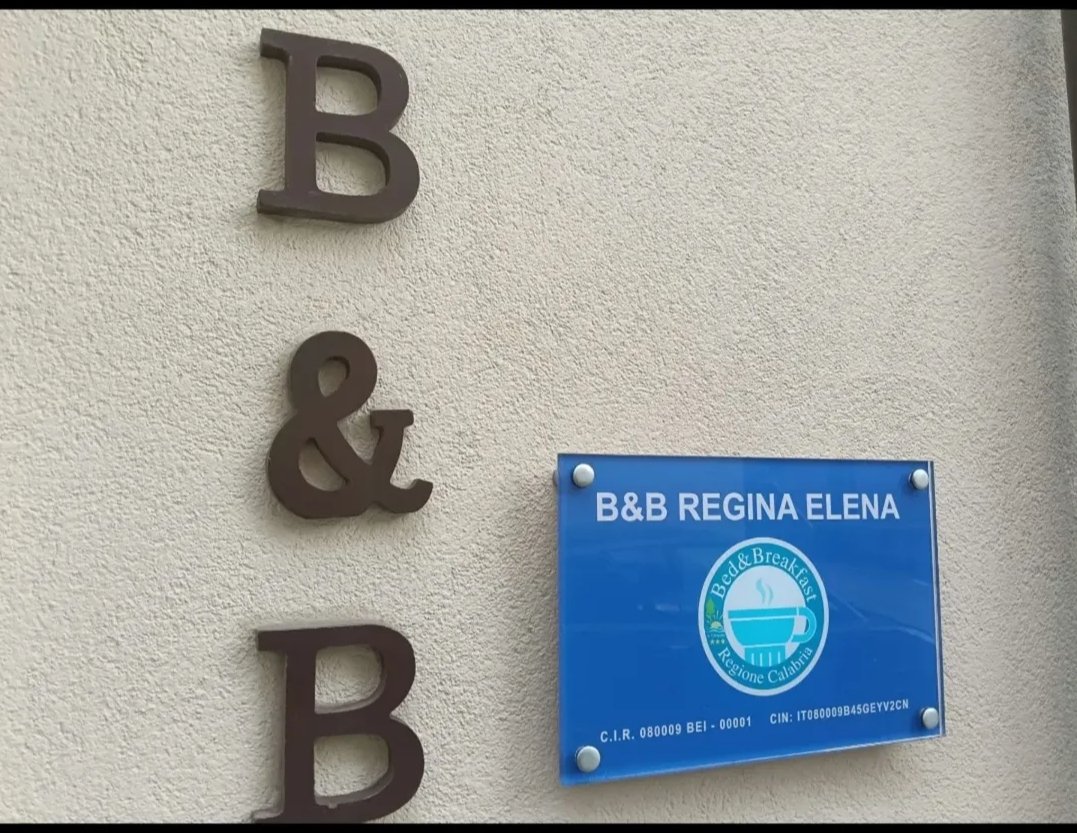
A Bianco sono disponibili 1 alloggi selezionati. Scopri gli alloggi a Bianco. Choosing the right accommodation is essential for a relaxing experience, and finding a place that understands the needs of a traveler looking for authenticity is key. Whether you prefer a boutique hotel or a traditional guesthouse, ensure your base allows you to explore the local markets and eateries at your own pace. For more options throughout the region, you can always visit Calabria Rooms to find the perfect home away from home while you discover the hidden culinary secrets of Southern Italy.